This year is set to be a big one for private label brands, with the private label sector garnering more attention than ever before. Private label brands have been raking in the profits, to the point where more and more traditional brands are now creating their own private label offshoots.
Of course, with private label manufacturing booming, this also means more competition for the private label brands already in existence. The good news? The new year always brings new opportunities, and the private label trends 2026 will be packing pave an exciting path into the future. Join FLPL as we explore what 2026 holds in store for private label brands.
The Importance of Sustainability
Let’s start with one of the private label trends 2026 was obviously going to be highlighting: sustainability. This trend has been gaining momentum over the years, and 2026 will see it continue to do so. The topic has taken on increased importance, with sustainability efforts no longer being optional for private label brands – it’s now an expectation.
Consumers now expect a certain level of eco-conscious thinking from all brands. However, take this further by bringing your own ideas and creativity to the table, and your brand will really stand out.
Need some inspiration? Here are a few ways in which other private label brands have been embracing sustainability to help them stand out:
- Using sustainable packaging made from innovative materials, such as seaweed and sugarcane.
- Making use of biofabrics, which are created in a lab and don’t place a strain on natural resources.
- Ensuring traceability for ingredients. This way, consumers can easily confirm that the ingredients in the products they’re using have been grown and harvested sustainably.
- Refillable packaging cuts back on waste and often lowers the price point of certain products.
- Reusing waste products. For example, a private label skincare brand that chooses to turn coffee grounds, which is considered a waste product, into face or body exfoliators.
Gamification

Gamification is another trend that you’re likely already aware of. You may have even started to implement this trend into your private label brand. If you haven’t, it may be worth doing so in 2026.
What’s gamification all about? Bringing gaming elements into your products/services/customer experience. Not only will it make your brand seem more fun, but it also increases engagement, builds loyalty, and boosts sales. Here are a few ideas for incorporating gamification into your private label brand:
- Create a points or rewards system, which customers can redeem for freebies or discounts.
- Design an app that enables customers to ‘try’ your products. Bringing AR into the mix makes this feel more realistic.
- Create a mini game that customers can play on your website to win rewards.
Embracing AI
Let’s face it – AI isn’t going anywhere anytime soon. In fact, experts believe that this is one of the biggest private label trends 2026 will be all about. So, whether you love it or hate it, chances are that you’ll need to now embrace AI if you want your private label brand to remain relevant.
How? With AI integrating itself into just about every aspect of business, you have plenty of options. Rather than jumping onto the AI bandwagon solely so that you can claim your brand is inkeeping with the times, find ways in which AI could genuinely help your brand. Here are a few opportunities that AI could open up for you:
- Hyper-personalized marketing campaigns. AI can be used to tailor your marketing efforts to micro-segments of your audience.
- AI chatbots and virtual assistants can improve your customer service. They can respond to queries around the clock and can also recommend various products to customers based on their needs.
- Predictive analytics. Using AI to forecast demand, trends, and other influences could make your entire business run more smoothly, with fewer surprises along the way.
A Continued E-Commerce Boom
E-commerce has been steadily growing over the years. Experts predict that global e-commerce sales will reach the trillions in 2026, confirming just how vital it is for private label brands to have a solid e-commerce platform.
Just like with sustainability, selling online is no longer an option for most brands – it’s an expectation. Consumers expect to be able to purchase products online, and brands that don’t offer this will end up missing out on sales.
As may have been expected, mobile commerce is particularly strong. Consumers are increasingly making purchases from their smartphones, meaning that brands need to provide a seamless omnichannel shopping experience. The good news is that some private label manufacturers, like FLPL, can help with this. We can set up and manage e-commerce stores for our clients, meaning that a lack of experience in this area won’t hold you back in the slightest.
Social Commerce Steals Attention
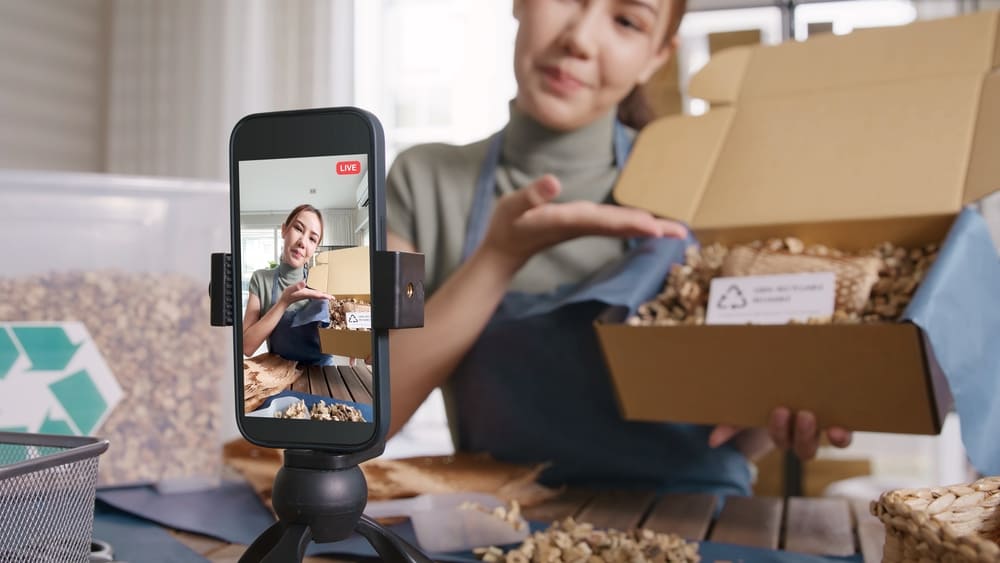
One aspect of e-commerce that will be at the center of the private label trends 2026 will be seeing is social commerce. This is when consumers can buy products directly from social media platforms, like Facebook and TikTok. With social commerce, consumers can discover new products, engage with brands, and purchase those products, all without leaving the social media app they’re on. It’s an integrated and frictionless shopping experience that increases conversions and turns social media from a marketing tool into a revenue stream.
Which social platforms are best for social commerce? It all depends on who you’re trying to target:
- TikTok: if Millennials and Gen-Z are your target audience, the short-form videos that TikTok is known for could really boost engagement and sales for your brand.
- Facebook: known for having a particularly broad reach across the generations, Facebook is great for building a loyal community, which you can then directly market and sell your products to.
- Instagram: like Facebook, Instagram’s appeal stretches across a wide demographic. Its visual-focused nature makes it a popular sales tool for beauty and fashion brands.
The Search For Human Connection
With AI taking over as the driving force for so many industries, it should come as no surprise that consumers now very much value the human connection that is missing from the majority of their purchases. As important as it is to embrace AI to remain relevant, private label brands need to figure out how to balance this with ensuring that their customers are still receiving the human touch that they crave.
How can you do this? Here are some ways in which other brands have found success:
- Customer service that’s truly empathetic. This means that even a negative experience can be turned into a positive.
- Boosting authenticity can help customers to better relate to a brand, building a connection that directly influences their purchasing decisions.
- Using social media to showcase the humans behind a brand. This will make your marketing efforts feel much more personal.
Authenticity is Everything
As we mentioned above, improving your brand’s authenticity is a great way to rake in more sales. Not only does it foster long-term loyalty and encourage customers to trust a brand, but it also acts as a differentiation tool. With so many of the brands out there being relatively generic, ensuring that yours is authentic is a great way to stand out from the crowd.
There are several ways in which you can highlight your brand’s authenticity. Here are some of the most successful:
- Make sure that your brand voice is consistent across all platforms. From customer service to social media posts, everything should be cohesive.
- Add the human connection that we discussed earlier. Personally engage with your customers to make it evident that there are real humans behind your brand.
- Be fully transparent, including when it comes to any mistakes that you make. Acknowledge these and take full responsibility – your customers will respect you for it.
- Stay true to your brand values. For example, don’t just talk about being more sustainable – take actionable steps to make this actually happen.
Smart Devices Everywhere
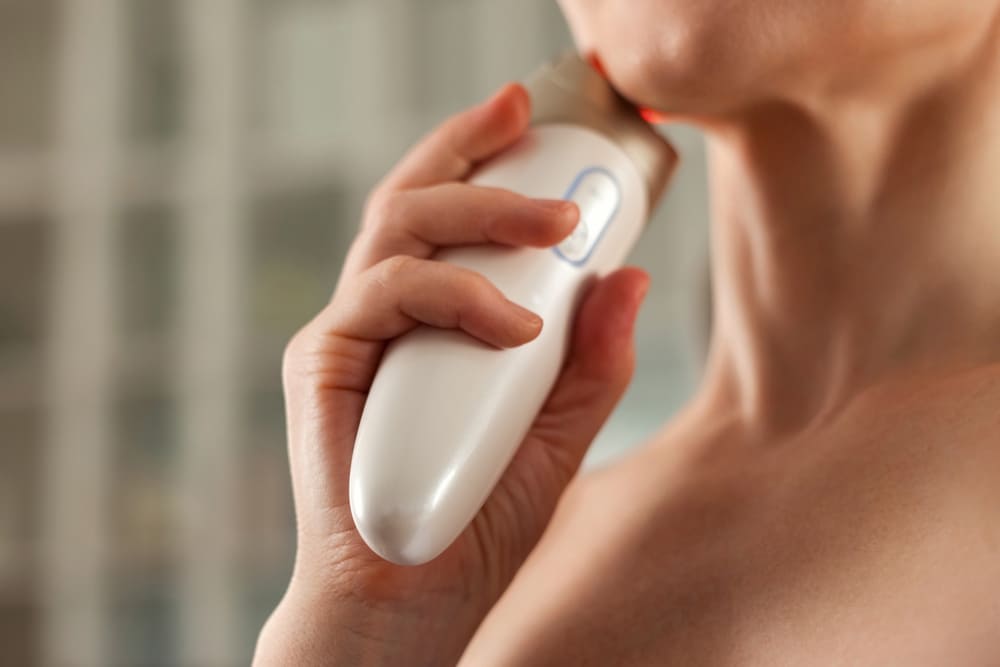
If your private label brand is tech-based, you’ll be all too aware of the revolutionary smart devices that are hitting the market. These devices are different from previous systems, which were more reactive than proactive. Now, however, smart devices are more than capable of making decisions and taking actions on behalf of the user.
Let’s take a look at some of the areas in which smart devices are really taking off:
- Next-gen wearables, from smart glasses to SPF stickers.
- At-home LED light therapy devices are increasingly becoming smarter.
- Smart hair styling tools that can detect hair type and automatically adjust the amount of air flow/heat that’s emitted are really gaining traction in the hair world.
The Importance of Value
In times of economic downturns, consumers seek out value. From discounts to free shipping, statistics show that 61% of shoppers are currently basing their purchasing decisions on how much value a product provides. Budgets are currently being stretched in every direction. Private label brands need to take this into account, not just when coming up with pricing strategies but also when it comes to the products that they create.
Here are a few ways in which you can add value to the products you sell:
- Create multitasking products. For example, rather than formulating a face serum that only focuses on hydration, produce one that hydrates, brightens, and smooths all at the same time.
- Improve the quality of the materials that you use (this could potentially be tied into the sustainability trend too) to make your products more durable and resilient.
- Enhance the customer experience. Try to provide extra insight and advice that gives them so much more than just a product.
Private Label Trends 2026
This year is set to be an exciting one, with many influential trends making waves throughout various industries. While you should never completely overhaul your private label brand based on a trend, incorporating these ideas into how you run your business could give your brand the edge that it needs to really succeed.
Want to know more about FLPL’s private label manufacturing services? Click here to contact us today!